Wool is a natural fiber used in bedding for its breathable, resilient structure and ability to help manage warmth and moisture. In pillows and other sleep products, wool can provide soft, supportive cushioning while allowing air to circulate. These properties make wool relevant to people comparing materials for comfortable, temperature-conscious sleep.
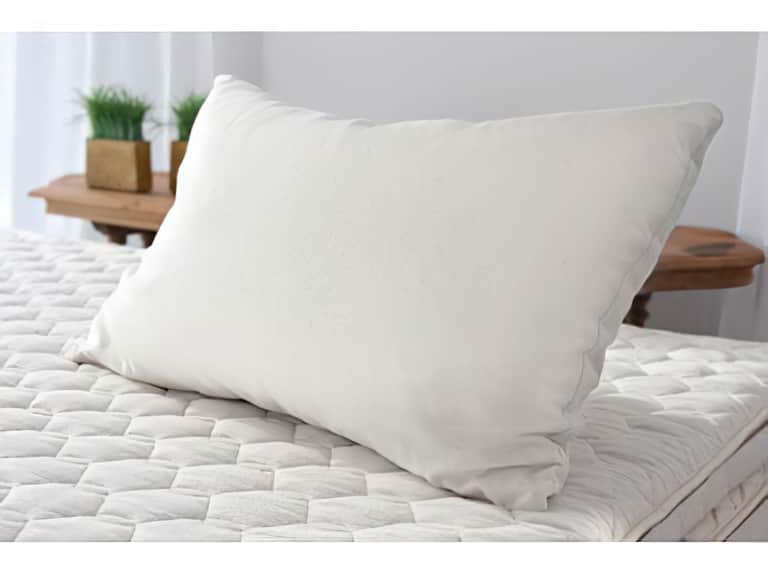
The Savvy Rest Wool Pillow features wool as its primary filling, offering a natural alternative to conventional synthetic pillow materials. Wool fibers can compress under pressure and recover their shape, helping create a cushioned feel for head and neck support. The pillow’s performance depends on its construction, loft, and individual sleep preferences.
Wool’s capacity to absorb and release moisture can help limit a damp feeling during sleep, while its breathable structure supports airflow. These characteristics may suit people who feel warm at night or prefer natural-fiber bedding. Pillow care varies by design, so following the manufacturer’s cleaning and maintenance guidance helps preserve the fill.
When evaluating bedding materials, consider how wool differs from cotton sheets, down, or foam in feel, warmth, and upkeep. Wool pillows are distinct from wool mattress layers, and neither should be assumed to have the same firmness or temperature characteristics. Fiber sourcing, cover fabric, and product certifications also inform material comparisons.
Wool can be considered alongside other natural materials in a wider bedding plan, including sheets and organic mattresses. For infant sleep spaces, organic crib mattresses are a separate product category with specific safety requirements; adult pillows, including wool-filled options, are not intended for use in a crib. Check age guidance and product specifications before use.
 Bedding