Bedding Guide
Inside Sleep and Beyond’s Merino Comforter: Wool Fill, Feel, and Care
A comforter’s appeal is about more than how plush it looks at the end of the bed. The fibers inside, the fabric around them, and the way the piece is cared for all help shape its weight, warmth, feel, and lifespan. Sleep and Beyond’s lightweight myMerino comforter offers a useful case study in what to look for in wool bedding—and what its care routine asks of you.
What is a merino wool comforter?
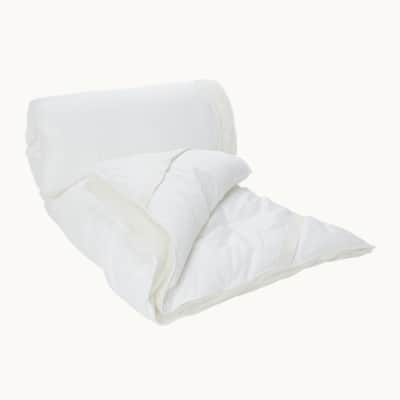
A wool comforter is a bed covering filled with wool fibers held inside a fabric shell. In the myMerino comforter, the fill is described as 100% organic superfine merino wool, while the shell is GOTS- and OEKO-TEX 100-certified organic cotton sateen with a 400-thread-count construction. The combination brings together a natural fiber fill and a smooth cotton casing.
Merino refers to a breed of sheep known for its fine wool fibers. In bedding, the type and amount of wool matter, but they do not tell the whole story. The shell, quilting pattern, dimensions, and fill weight all affect how a comforter behaves in everyday use. “Wool comforter” is therefore not one single feel: two designs may differ considerably in loft, weight, warmth, and maintenance.
The lightweight myMerino model is described as a three-season option, with wool fill listed at 6 ounces per square yard. That measurement gives a more concrete point of comparison than words such as “light” or “cozy,” though it does not predict precisely how warm the comforter will feel to every sleeper. Room temperature, sleepwear, duvet covers, personal comfort, and the rest of the bedding stack all play a part.
For a closer look at the listed construction and available sizes, see the Sleep and Beyond myMerino Wool Comforter Light. Treat product specifications as a starting point, then consider how your bedroom and care habits fit the design.
How wool fill can shape the feel
Wool is often selected for bedding because it can absorb moisture and help moderate the sleep environment. The myMerino comforter is described as breathable and moisture-wicking, and its wool fill is intended to help regulate body temperature. Those qualities may appeal to people who find that a heavy, close-fitting layer feels stuffy. They are not a promise that every sleeper will feel cool: comfort depends on the individual and the conditions in the room.
Wool fibers have a crimped structure that can create a springy, airy fill. In a comforter, the result may feel less slick or densely packed than some synthetic fills, although the overall sensation depends on the design and quilting. A comforter with a lighter fill weight can feel less substantial than a winter-weight alternative, but it can still provide warmth. “Lightweight” describes the amount of fill and general design intent; it does not mean warmth-free.
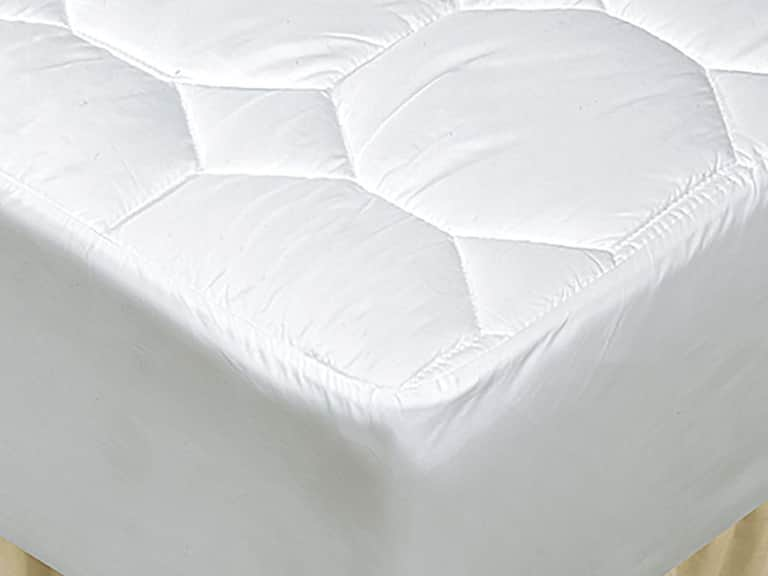
The myMerino comforter uses an exclusive quilting pattern intended to keep the wool batting from shifting. That detail matters because a well-distributed fill can help the comforter remain more consistent across its surface. With any quilted bedding, inspect the stitching and construction information, and check care guidance before buying. A fill that is difficult to wash or dry may be a poor fit for a household seeking a frequently laundered, low-effort layer.
Wool’s ability to take up moisture before it feels damp is another commonly noted fiber characteristic. It can be useful in a bedding layer, but it does not make a comforter waterproof or eliminate the need for ventilation and routine care. A removable duvet cover remains a practical first defense against body oils, dust, and accidental marks.
The cotton sateen shell: smooth, useful, and still worth protecting
The shell is the fabric that encloses the fill, so it contributes directly to the comforter’s handfeel and durability. This model uses organic cotton sateen. Sateen is a weave structure associated with a smooth surface and a gentle sheen; it is not a separate fiber. Here, cotton is the fiber and sateen describes how the yarns are woven.
The product information lists a 400-thread-count shell. Thread count can help describe fabric construction, but it should not be treated as a stand-alone quality score. Fiber quality, yarn, weave, finishing, and construction also influence how a fabric feels and wears. In practical terms, the cotton shell provides an enclosed surface for the wool fill, while the duvet cover can reduce direct contact with everyday soil and friction.
Organic and textile certification terms are useful only when readers understand what they refer to. The comforter is listed as GOTS- and OEKO-TEX 100-certified. These certifications relate to defined standards and should be checked against current product documentation if certification scope or validity is important to your decision. They do not replace an assessment of warmth, comfort, fit, or care requirements.
Choosing a lightweight option that suits your room
A lightweight wool comforter may make sense if you want a layer that can be used across much of the year, or if you already sleep under a blanket or duvet cover and do not need a very heavy insert. It can also be a useful option for bedrooms that tend to stay warm. But a product labeled “three-season” is not automatically the right year-round choice: cold rooms, individual temperature preferences, and seasonal changes can all shift what feels comfortable.
Before selecting a comforter, start with the conditions you actually sleep in. Think about whether your room is consistently warm or cool, whether you use a duvet cover, and whether you prefer a close, weighty cover or a more lightly draped layer. If you share a bed, compare preferences rather than assuming both sleepers will experience temperature in the same way.
Next, compare fill weight and dimensions. The myMerino model lists a fill weight of 6 ounces per square yard. Its provided dimensions are 35 by 53 inches for a crib, 68 by 86 inches for a twin, 90 by 90 inches for a full/queen, 102 by 90 inches for a king, and 110 by 98 inches for a super king. Measure your duvet cover and mattress setup rather than relying only on the size name: sizing conventions can vary among manufacturers, and a comforter that is too small may not provide the coverage you expect.
Finally, consider maintenance before making a choice. A wool comforter that needs careful spot-cleaning or professional attention may be well suited to someone who uses a protective cover and is comfortable with occasional airing. It may be less convenient for anyone who expects to machine-wash bedding frequently. Checking the label and current manufacturer guidance is essential, because cleaning instructions can differ across wool products.
Duvet covers make care more manageable
Sleep and Beyond recommends using a removable duvet cover to protect the comforter, reduce the need for cleaning, and help extend its useful life. It is practical advice for a filled textile: the cover takes on much of the contact with skin, hair, dust, and daily handling, and can usually be removed for laundering according to its own care label.
Choose a cover that fits the comforter without compressing it excessively. A tight cover can limit the way the fill settles, while an oversized one may allow the comforter to bunch inside. Corner ties or loops can help keep the insert in place if the cover is designed with compatible attachment points. Check the cover’s fabric and washing instructions separately; its care needs may not match those of the comforter.
Even with a cover, handle the insert gently when changing bedding. Avoid tugging hard on one corner or pulling against quilting seams. If the comforter becomes uneven after use, spread it flat and redistribute it with light, careful smoothing rather than vigorous shaking. Regular airing can refresh wool bedding between deeper cleaning needs.
A practical care routine for wool bedding
Wool is not a reason to skip basic housekeeping, but its care routine is different from simply tossing every bedding layer into a washer. The supplied guidance for the myMerino comforter recommends spot-cleaning the cotton cover with a soft brush and mild detergent, then allowing it to air-dry completely before putting it back inside a duvet cover. For major stains that penetrate both the duvet cover and comforter cover, the guidance recommends eco-friendly dry cleaning on a short cycle with limited moisture.
Follow the care label and the latest instructions supplied with the comforter. Do not assume that “natural” means machine-washable, or that a cleaning method suitable for one wool item is suitable for another. Excessive moisture, high heat, harsh cleaning agents, or forceful handling can affect wool fill and fabric construction. When in doubt, confirm the recommended approach before treating a stain.
The manufacturer also recommends regular airing and sunning to revitalize and disinfect wool bedding. Airing can help reduce trapped odors and let moisture dissipate. Keep the comforter supported and well spread out, and avoid leaving it in direct sunlight for prolonged periods unless current product guidance specifically permits that exposure. Strong sun can affect textiles over time, so a shaded, well-ventilated location is a cautious choice when instructions are unclear.
Use a removable duvet cover consistently, and clean spills promptly rather than allowing them to settle into the fabric. Before storing the comforter, make sure it is fully dry, then keep it in a clean, breathable storage space. Avoid compressing it for long periods if you can: prolonged compression may reduce loft or make the fill settle unevenly.
It is also sensible to inspect the comforter periodically. Look for loose seams, a damaged shell, or signs that the fill has shifted. Small issues may be easier to address before they become more noticeable. Gentle handling during bed-making and storage helps reduce unnecessary wear.
Wool comforters and common expectations
Claims about bedding materials can sound absolute, so it helps to keep expectations measured. Wool is commonly valued for moisture management and temperature moderation, but it cannot guarantee that someone will stop overheating. A person’s sleep environment, other bedding layers, health, clothing, and preferences influence how warm they feel. If discomfort at night persists or is connected with a health concern, bedding changes are not a substitute for appropriate medical advice.
Similarly, terms such as “hypoallergenic” should not be interpreted as a guarantee that no individual will react. The product description identifies the comforter as naturally hypoallergenic, but sensitivity varies. People with known fiber allergies or sensitivities should review all materials and consult the manufacturer if details are not clear.
Wool’s natural properties also do not remove the need for a cover, stain care, or attention to cleanliness. The comforter is a filled textile, not a self-cleaning surface. A duvet cover and regular airing can make maintenance easier, while cleaning instructions help protect the shell and fill when a spot or spill occurs.
Questions to ask before buying
- What level of warmth do I want? Compare the listed fill weight and intended season, then account for your room temperature and other layers.
- Will the dimensions work? Measure the duvet cover and check the comforter’s actual dimensions, especially when replacing an existing insert.
- Am I comfortable with the care instructions? Confirm whether spot-cleaning, airing, or professional cleaning fits your routine.
- Will I use a duvet cover? A removable cover can help shield the comforter from routine soil and reduce how often the insert needs attention.
- Are the materials and certifications clearly documented? Review the product details and seek clarification when a claim or certification scope is important to you.
- Does the feel suit my preferences? Consider whether you prefer a lighter drape or a heavier, more enveloping layer. Specifications cannot fully replace personal comfort.
For a first-time wool comforter buyer, the most useful comparison is not simply “wool versus down” or “natural versus synthetic.” Compare the actual construction, fill amount, shell, dimensions, cleaning method, and stated purpose. Those details reveal more about everyday use than a single material label.
The bottom line on the myMerino comforter
Sleep and Beyond’s lightweight myMerino comforter brings together organic superfine merino wool fill, an organic cotton sateen shell, and quilting designed to limit fill movement. Its listed 6-ounce-per-square-yard fill weight and three-season positioning offer useful guidance for shoppers considering a lighter wool layer. The moisture-management and temperature-regulation qualities associated with wool may be appealing, though individual results depend on the sleeper and sleep setting.
The key trade-off is straightforward: natural materials and a considered construction come with care that deserves attention. A duvet cover, gentle spot-cleaning when needed, regular airing, and adherence to the product’s care instructions can help keep maintenance manageable. Before choosing, weigh those habits against your expectations for warmth, coverage, and laundering.
A comforter should suit the way you sleep, not just the way it sounds on a label. Looking closely at fill, shell, dimensions, and care turns a broad promise of softness into a more informed decision—and helps ensure that the layer you bring home feels right for your bed and your routine.