Bedding Guide
Percale or Sateen? How to Choose Sheets for Your Sleep Style
The right sheets can change how a bed feels before you even settle in. Percale is known for a crisp, airy finish; sateen brings a smoother, more fluid drape. Neither weave is universally better. The better choice depends on the feel you enjoy, the temperature of your room, the fabric itself, and how much care you want to give your bedding.
Shopping for sheets can seem like a vocabulary test: thread count, fiber content, weave, finish, pocket depth. But one useful place to begin is simpler. Ask yourself how you want your bed to feel against your skin. If you prefer a clean, cool, lightly textured surface, percale may feel familiar and inviting. If you like a silky-smooth touch and a fabric that falls softly around the bed, sateen may be more your style.
These names describe ways of weaving yarn, not separate kinds of fiber. Percale and sateen sheets can both be made from cotton, and the cotton’s quality, yarn, finishing, and construction all help shape the final result. Understanding the weave gives you a practical starting point, but it is only one part of choosing sheets that work for your sleep habits.
Rather than relying on a single number or a luxury-sounding label, compare the whole picture: material, texture, breathability, fit, care instructions, and how the sheets feel after washing. A thoughtful choice is less about finding a universally perfect set and more about matching the details to your own bedroom and routine.
What does “weave” mean in sheets?
Weave is the pattern in which lengthwise yarns, called warp yarns, cross with widthwise yarns, called weft yarns. That pattern influences the surface of the cloth, its drape, and the way it responds to movement and airflow. It does not, by itself, tell you whether the fiber is cotton, linen, or another material. Nor does a weave label guarantee a particular level of softness or durability.
Percale uses a straightforward one-over, one-under weave. This construction creates a balanced, matte fabric that is often described as crisp and cool. Sateen uses a different arrangement, in which yarns float over more neighboring yarns before passing under one. The longer floats produce a smoother surface and a gentle sheen.
Those construction differences are easy to understand on paper, but personal experience matters. One person may find percale pleasantly fresh; another may think it feels too crisp. A sleeper who loves sateen’s soft drape may appreciate its cozy hand, while someone else may prefer the less slippery feel of percale. If possible, touch fabric samples or assess a set during a return period before deciding that a weave is right for you.
Percale: crisp, light, and easygoing
Percale sheets are often associated with a cool, freshly made-bed feeling. Their plain weave gives the fabric a smooth but not especially glossy surface, with a crisp hand that can soften through regular use and laundering. Many people who sleep warm or prefer a breathable-feeling bed find percale appealing, especially in warmer months or in rooms that hold heat.
That reputation should not be mistaken for a promise that every percale sheet will feel identical or keep every sleeper cool. The fiber, yarn size, fabric weight, finishing, mattress protection, duvet, pajamas, and room conditions all contribute to warmth. A dense cotton percale can feel different from a lighter version, and a warm comforter can have more influence on overnight comfort than the sheets alone.
Percale’s texture is also part of its appeal. It tends to feel more structured than sateen, with a little more body and less fluid drape. For sleepers who dislike a slick surface, that can be a welcome difference. For others, the crispness may feel stiff at first. Following the care label and allowing the fabric to soften with use can help; fabric softener is not always necessary and may affect absorbency or leave residue, depending on the product and fabric.
Percale may suit you if you:
- Prefer a matte, crisp surface rather than a silky finish.
- Want sheets that feel light and relatively structured.
- Often find bedding too warm and want to consider a breathable-feeling weave.
- Like the familiar sensation of freshly laundered cotton.
- Want a less fluid drape around the body and mattress.
Sateen: smooth, soft, and softly draped
Sateen is prized for a smoother touch and a more fluid appearance. Its weave creates a surface that can feel silky against the skin, with a subtle sheen that catches light differently from percale’s matte finish. The fabric often drapes more easily over a mattress, which gives the bed a relaxed, softly finished look.
That smoothness can be especially appealing if you enjoy a cozy, polished feel or prefer sheets that do not feel crisp. Sateen is not silk, however; the term refers to the weave. Cotton sateen remains cotton, while other fiber blends can have their own characteristics. Always check the fiber label rather than assuming that “sateen” describes the material.
Some sleepers experience sateen as warmer than percale, though this is not a rule that applies to every sheet or bedroom. The perceived warmth depends on the weight and density of the fabric, its fiber, the surrounding bedding, and the sleeper. A smoother surface may also feel different to someone who moves frequently or dislikes fabric that glides across the skin. As with percale, the most reliable guide is how the particular sheet feels in your own conditions.
Sateen may suit you if you:
- Prefer a smooth, soft surface with a subtle sheen.
- Like bedding that drapes easily and feels relaxed rather than crisp.
- Enjoy a more polished look on the bed.
- Want a cotton option with a softer hand straight out of the package.
- Find crisp or textured sheets less comfortable against your skin.
How to match sheets to your sleep style
“Sleep style” can mean more than whether you sleep on your side, back, or stomach. When choosing sheets, it is also useful to think about how warm you feel overnight, how much you move, your sensitivity to texture, and whether you prefer a neat, tailored bed or a softer, more relaxed one. These preferences often reveal more about the best weave for you than a trend or a product description.
If you tend to sleep warm
Percale is a reasonable first option to explore if you want a crisp, airy-feeling surface. Look at the fabric weight and construction as well as the weave, and consider the rest of your bedding. A thick duvet, synthetic mattress protector, warm sleepwear, or a hot room can all affect how comfortable the bed feels. Sheets may contribute to comfort, but they cannot compensate for every source of heat.
If you want softness without a crisp finish
Sateen may be a natural match if you like a smooth touch and a soft drape. It can feel welcoming from the first use, though individual fabrics vary. If you are unsure, check whether the seller offers fabric swatches or a clear return policy, and read care instructions before buying. The smoothest option is not necessarily the best if you prefer texture or find a gliding surface distracting.
If texture is a major comfort factor
Pay attention to the feel of the fabric rather than relying on descriptions such as “luxury,” “hotel-style,” or “cooling.” Percale generally has a crisp, matte character; sateen is usually smoother and more fluid. Terms like these are useful clues, but they are not standardized measures of comfort. Touch, laundering, and repeated use can change your impression, so give the fabric a fair trial if you can.
If you share a bed
Different preferences do not have to lead to a nightly compromise. If one person prefers crisp percale and the other favors smooth sateen, consider what matters most to each of you: temperature, texture, or ease of care. You might agree on a middle-ground fabric, use separate blankets, or choose sheets based on the preference that most affects sleep comfort. A shared bed is also a reminder that no single weave can guarantee the same experience for everyone.
Look beyond the weave: fiber and construction matter
Two sets labeled percale can differ noticeably, just as two sateen sets can. Fiber composition is one important distinction. Cotton is common in both weaves, but cotton varieties, yarn preparation, fiber length, and finishing can influence the hand and longevity of the fabric. Blends may bring different care requirements or surface qualities, so read the full composition rather than focusing only on the weave name.
Construction and finishing also matter. A fabric’s weight, density, and yarn quality can affect how it feels, how it hangs, and how it holds up to repeated washing. A higher price or a particular marketing term does not automatically establish that a sheet is better suited to your needs. Look for clear descriptions of fiber content, dimensions, and care, and be cautious about treating vague claims as substitutes for those details.
Thread count is another figure that often receives more attention than it deserves. It refers to the number of threads in a measured area of fabric, but it does not independently tell you whether the sheets will feel soft, cool, or durable. Counting methods and yarn construction can vary, and a very high number is not a guarantee of superior comfort. Use thread count as one piece of information only when it is presented clearly, and prioritize fiber, weave, finish, fit, and your own feel preferences.
Bedroom climate and layering: the whole-bed picture
Sheets are one layer in a sleep system. The mattress, protector, topper, fitted sheet, flat sheet, blanket, duvet, and sleepwear all influence how the bed feels. A breathable sheet cannot make a heavily insulated bed feel weightless, and a smooth weave does not automatically make a room warm. If you are uncomfortable at night, consider the complete setup before replacing sheets alone.
Room climate is equally important. Humidity, ventilation, heating, and seasonal changes may alter your comfort from one month to another. Some households keep separate sheet sets for warm and cool seasons, while others choose a fabric that works reasonably well year-round. If your climate varies substantially, prioritize a versatile fiber and care routine, then adjust blankets and sleepwear as temperatures change.
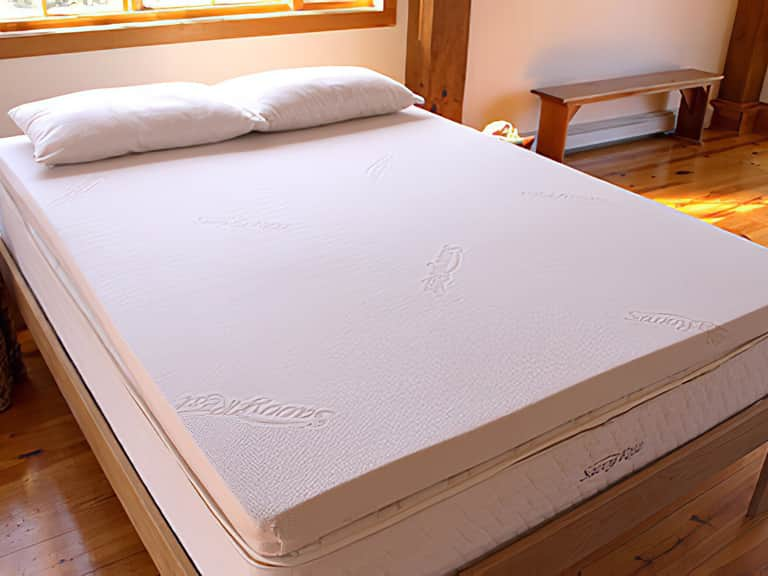
Consider the feel of your mattress surface, too. A thick or textured protector can affect how sheets sit and how much airflow reaches the sleeper. Proper fit helps prevent bunching, which can disturb sleep regardless of weave. Check the mattress depth, including any topper, and compare it with the fitted sheet’s pocket dimensions before buying.
Care routines for percale and sateen
Good sheet care begins with the label. Follow the manufacturer’s washing and drying instructions, since fiber blends, finishes, and construction can require different treatment. In general, washing sheets regularly with a suitable detergent and avoiding excessive heat can help maintain their feel and condition. Do not assume that every cotton sheet should be washed or dried in exactly the same way.
Overloading the washer may prevent sheets from moving freely and rinsing well. Washing bedding with items that have hooks, zippers, or rough surfaces can increase snagging, while using more detergent than needed can leave buildup. If the care label permits, a lower dryer setting may help limit unnecessary heat exposure. Remove sheets promptly to reduce deep creasing, or line-dry them when practical.
Percale may soften with repeated laundering, which many sleepers enjoy. Sateen’s smooth surface can benefit from gentle handling to preserve its finish. Neither weave is immune to wear: friction, harsh chemicals, high heat, and repeated over-drying can affect fabric over time. Rotate between sets if you own more than one, and inspect seams and elastic occasionally so small issues do not become a reason to replace the sheets prematurely.
Washing frequency depends on personal habits and household needs, including pets, allergies, perspiration, and use of the bed. A consistent schedule can support freshness, but the precise interval is a personal and practical choice. Whatever routine you follow, clean sheets only stay comfortable when they are fully dry before storage or use.
A practical checklist before you buy
When comparing options, move from the details you can verify to the preferences you can feel. This makes it easier to avoid buying on a single headline claim and helps ensure the sheets fit your mattress and routine.
- Choose the feel: Crisp and matte points toward percale; smooth and draped points toward sateen.
- Read the fiber label: Confirm whether the sheets are cotton or another fiber, and check whether they are blended.
- Consider your room: Think about seasonal temperatures, ventilation, and the weight of your blankets.
- Check mattress dimensions: Measure mattress depth with any topper or pad in place and compare it with fitted-sheet pocket depth.
- Review care instructions: Make sure the recommended washing and drying routine is realistic for your household.
- Assess the return policy: A clear policy or fabric swatch can help when texture is difficult to judge online.
- Look at the complete description: Weave, fiber, finish, and construction together provide more useful information than one number alone.
Common sheet-shopping myths, gently untangled
“Percale is always cooler.”
Percale is often chosen for its crisp, breathable feel, but warmth depends on more than weave. Fiber, fabric weight, finish, bedding layers, bedroom temperature, and individual comfort all play a part. Treat the association as a helpful starting point, not a guarantee.
“Sateen is silk.”
Sateen describes a weave, not a fiber. Cotton sateen is cotton woven to create a smoother surface and soft sheen. Read the material label to know what the fabric is made from.
“A higher thread count means better sheets.”
Thread count alone cannot measure how sheets will feel or perform. Fiber quality, yarn, weave, finishing, and construction matter. A clear, complete product description is more useful than choosing by the biggest number on the package.
“One weave is best for every sleeper.”
Comfort is personal. Some sleepers love the crisp structure of percale; others prefer sateen’s smooth drape. Your own temperature preferences and sensitivity to texture are better guides than blanket rules.
So, percale or sateen?
Choose percale if you are drawn to a crisp, matte surface and a light, structured feel. Consider sateen if a smooth touch, soft sheen, and easy drape sound more appealing. If you are still undecided, think about the sheets you have enjoyed in the past: Did they feel freshly crisp or gently silky? Did you want more airflow, or a softer finish? Those small observations can point you in the right direction.
Then check the specifics. Confirm the fiber, assess the fabric description, measure your mattress, and make sure the care routine suits your life. Weave is an excellent place to start, but it is not the entire story. The best sheets are the ones that feel good to you, fit securely, and remain comfortable after the practical realities of washing and everyday use.
In the end, percale and sateen are two distinct approaches to a comfortable bed—not a contest with one universal winner. Choose based on your own sleep style, bedroom climate, and tactile preferences, and you will be far more likely to find a set that makes settling in feel like the best part of the day.