A Practical Guide to Organic Mattresses: Materials, Certification, and Longevity
Explore the essentials of organic mattresses, including common materials, certifications to look for, and practical tips for assessing durability. This guide helps shoppers make informed choices without promotional bias.
Introduction: What Makes a Mattress “Organic”?
In the realm of sleep, the word organic signals more than just a marketing cue—it signals a commitment to materials and processes that minimize chemical exposure, promote sustainability, and support long-term comfort. An organic mattress typically emphasizes natural, renewable fibers and resilient core systems, while avoiding or limiting synthetic chemicals, improving indoor air quality and overall health.
The journey to an organic bed begins with understanding what qualifies as organic, how certifications work, and what to expect in terms of durability and performance. It’s not only about the surface feel; it’s about the entire sleep ecosystem—from cover fabrics to core materials, and even the dyes used in stitching.
Core Materials: What You’ll Find in Organic Mattresses
Organic mattresses lean on natural fibers like organic cotton, natural latex, hemp, wool, and responsibly sourced wool blends. The materials are chosen to balance comfort, breathability, and longevity. Here are the typical players you’ll encounter:
- Organic Cotton Covers: Soft, breathable, and often milled to avoid chemical finishes. Look for GOTS-certified cotton fabrics that guarantee organic status from field to fiber.
- Natural Latex (Dunlop or Talalay): A responsive, durable core material. Dunlop is denser and often more affordable; Talalay can offer a more uniform feel. Both come in organic variants when produced with certified latex and natural vulcanization processes.
- Wool Fillings: Naturally flame resistant and moisture-wicking, wool adds temperature regulation and buoyant softness. Organic wool comes with certifications ensuring animal welfare and fiber purity.
- Other Natural Fillers: Additional options include coconut husk (coir) and cotton blends, used in hybrid constructions to aid airflow and structural support.
- Core Support Systems: Some organic mattresses rely on innerspring or wrapped coils that are compatible with organic encasings, ensuring durability and stability without compromising organic integrity.
Certifications: Reading Labels Without the Fluff
Certifications provide assurances that what you’re buying meets specific organic standards. They can help you separate marketing from measurable compliance. The most commonly cited certifications include:
- GOTS (Global Organic Textile Standard): Focuses on organic fibers and the processing standards of textiles, including dyes and finishing agents. A mattress with GOTS certification indicates organic fiber content and low-impact processing for textiles that constitute the outer layers or covers.
- GOLS (Global Organic Latex Standard): Specifically applies to natural latex made with organic latex sap. It certifies organic content, as well as the manufacturing processes used to produce latex components.
- GOTS-Certified Wool: Indicates organic wool has been processed under standards that limit chemical residues and ensure animal welfare in the supply chain.
- Made Safe, MADE SAFE, and Similar Standards: These standards assess chemical exposure across the product, including the absence of harmful substances in mattresses intended for children and adults alike.
- Certifications Beyond Textiles: Some brands list additional certifications for flame retardancy or indoor air quality without compromising organic fiber content, often using natural or non-toxic barrier materials.
When evaluating a mattress, read product labels carefully. Certifications are most meaningful when the brand provides transparent documentation or a certificate ID you can verify with the certifying body. A certified organic mattress should stand up to scrutiny not only in materials but in manufacturing practices as well.
Durability and Longevity: What to Expect
Organic does not automatically equate to perpetual durability, but it often aligns with materials chosen for resilience and longer lifespan. Latex tends to be one of the most durable organic components, known for its ability to resist sagging and keep a steady feel for many years. Wool and cotton, when densely packed and properly encased, offer strong structural integrity while managing moisture and temperature.
Durability is linked not only to materials but to the overall design. A well-constructed organic mattress uses robust edge support, appropriate thickness for the sleeping population, and well-sealed seams to prevent off-gassing or chemical migration. Regular care—rotating the mattress, using a protector, and following manufacturer guidance—extends the life of organic systems.
Care and Maintenance: Protecting Your Organic Sleep Investment
Caring for an organic mattress often means pairing it with a compatible protector and a breathable, well-fitting cover. A mattress protector with a natural barrier (such as a wool or cotton blend with a protective barrier) can guard against spills and moisture while preserving the bed’s breathability.
- Use a protector that’s specifically designed for organic products to avoid introducing synthetic coatings that conflict with organic standards.
- Rotate the mattress regularly to promote even wear, especially in hybrid constructions where the comfort layer and support core interact differently over time.
- Avoid heavy chemical-based cleaners on the cover; instead, use mild, approved cleaners if necessary, and allow the surface to dry fully before use.
- Follow the brand’s washing instructions for any removable covers or toppers; many organic covers are designed to be spot-cleaned or dry-cleaned per label.
A Practical Buying Framework: Questions to Ask
When shopping for an organic mattress, ask questions that reveal how the product performs in real-world conditions. Here are essential prompts:
- What percentage of the mattress is made from certified organic materials, and which components are non-organic, if any?
- What certifications apply to the materials and the finished mattress?
- Are the latex layers Dunlop or Talalay, and is the latex 100% natural latex or blended?
- What is the loft, density, and firmness range for the latex and foam layers (if present) in the product?
- What are the warranty terms, trial periods, and return policies, and do they apply to all sizes?
- How should I care for the mattress to maximize longevity, and what are the recommended cleaning guidelines for the cover and toppers?
Glossary: Key Terms You’ll Encounter
GOTS: Global Organic Textile Standard, a leading certification for organic textiles.
GOLS: Global Organic Latex Standard, certification for organic latex materials.
Talalay vs Dunlop: Methods of latex production; Talalay tends to be softer and more uniform, whereas Dunlop is denser and often more supportive.
Certifications vs. Claims: Certifications are third-party verifications; beware of marketing claims without verification.
Three Time-Period Icons: Perspectives on Comfort and Craft
Across centuries, three notable figures illuminate how people have thought about materials, comfort, and durability:
- Hypnos (Ancient Greece): The personification of sleep and dreams, Hypnos reminds us that the quality of sleep begins with a surface that feels reassuring and restful—long before modern lab tests, ancient designers sought fabrics and textures that soothed the body and calmed the mind.
- Thomas Thwaites (Industrial Age, 19th Century): A craftsman who bridged traditional textile know-how with emerging manufacturing, Thwaites represents the era when standardized materials and improved stitching methods started delivering consistent, durable bedding experiences. His spirit lingers in today’s durable, well-constructed organic covers and safe seals that resist wear.
- Modern Sleep Science Pioneers (Late 20th to 21st Century): Researchers and designers who study material science, allergen control, and thermal regulation. Their work informs durable, breathable, and low-toxicity mattresses that align with contemporary wellness expectations, including certifications and post-purchase care.
These perspectives remind us that comfort is a continuum—from ancient tactile satisfaction to modern, validated assurance. Organic mattresses sit at the intersection of tradition and science, offering a sustainable path to healthier sleep.
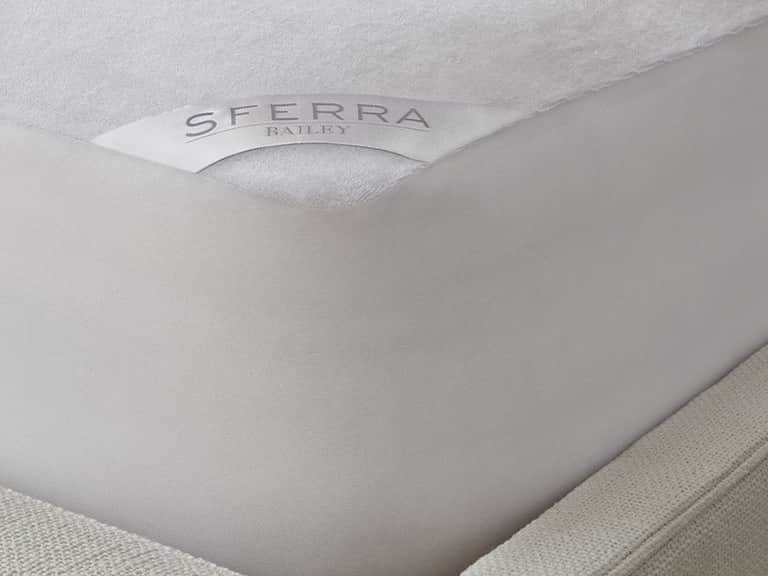
Product Spotlight: Bailey Mattress Protector
Bailey Mattress Protector
Cotton terry mattress protector with a waterproof finish and elasticized sides that fit up to 17 inches deep. Durable, machine washable, and designed to shield your investment without altering the feel of the bed.
Conclusion: Making a Confident Choice
Choosing an organic mattress is a commitment to healthier materials, transparent certification, and thoughtful care. By focusing on certified organic cotton covers, natural latex, and wool fillings, you can align comfort with sustainability. Certifications serve as your compass, pointing you toward products that meet rigorous standards and ensure the absence of harmful chemicals. With the right questions, you’ll navigate the marketplace with clarity, finding a mattress that supports restorative sleep for years to come.
If you’d like, I can customize a 6-month editorial content plan with pillar articles and topic clusters tailored to your site’s voice—balancing strict educational rigor with accessible, consumer-friendly guidance.