Mattress Materials
Natural Latex: Understanding Firmness, Resilience, and Certifications
Natural latex has a lively, buoyant feel that sets it apart from materials that slowly sink under pressure. But “latex” is not a single, standardized mattress recipe. The way a mattress feels and what its materials represent depend on its formulation, construction, layer thickness, and sourcing. Here’s how to read the details—and decide what matters for your sleep.
Published October 12, 2026
What natural latex means in a mattress
Natural latex begins as sap harvested from rubber trees, most commonly Hevea brasiliensis. The liquid is processed and turned into a flexible foam, then formed into mattress layers. The finished material can feel springy and supportive, with enough give to follow the body’s contours without the slow, enveloping sensation often associated with some memory foams.
That description is a useful starting point, not a guarantee. Latex mattresses differ in how much natural rubber they contain, how they are made, and what other materials accompany them. A mattress might use natural latex in one or more comfort layers, combine latex types, or pair latex with cotton, wool, or other components. The word “natural” on a label, by itself, does not tell you the full recipe.
It is also worth separating mattress feel from environmental or health claims. A material’s name cannot confirm the origin of every component, the amount of natural content, or the presence of a particular certification. For a meaningful comparison, look for specific construction information and documentation that explains exactly what a claim covers.
Firmness is a whole-mattress experience
Firmness is often presented as a tidy scale: soft, medium, firm. In real life, it is more personal. The same mattress can feel different to two people because comfort depends on body shape, weight, sleep position, sensitivity at pressure points, and the bed beneath the mattress. A label is a clue—not a universal measurement of how comfortable the bed will feel to you.
With latex, firmness is influenced by the feel of each layer and how the layers work together. A thick, firm base can create a different experience from a thinner, softer comfort layer over the same support core. The cover and any quilted materials can also affect the initial impression. Even the foundation matters: a mattress on an unsuitable or uneven base may not perform as intended.
For side sleepers, pressure relief around the shoulders and hips can be an important consideration. A very firm surface may feel supportive at first but create uncomfortable pressure for some people. Back and stomach sleepers may prefer a more level, supportive feel, though individual needs vary. Combination sleepers often value a surface that lets them change position without feeling trapped.
Instead of choosing by a single firmness word, ask how the mattress is configured. How many layers are there? What is the thickness of each one? Can the comfort level be adjusted? Is the firmness the same across the entire bed, or can each side be set differently? Clear answers make comparisons more useful than a marketing label alone.
Resilience: the buoyant, responsive quality
Resilience describes how readily a material responds after pressure is applied and released. Latex is known for a springy response: it compresses under the body and tends to push back more quickly than materials with a slower recovery. Many sleepers experience that as buoyancy, easier movement, or a feeling of sleeping on the mattress rather than sinking deeply into it.
That responsive quality can be appealing if you turn frequently during the night or dislike a slow-molding sensation. It can also make latex feel quite different from one construction to another. A softer layer may contour more deeply; a firmer or thicker support layer may create a more lifted feel. The mattress’s overall design determines the balance, so “latex feel” is not a single sensation shared by every model.
Resilience should not be mistaken for firmness. A material can be soft and responsive, or firm and responsive. Nor does a springy feel prove that a mattress is more durable, supportive, or suitable for a particular sleeper. These are separate questions. Ask about layer specifications, expected care, warranties, and trial or exchange terms rather than relying on bounce as a shortcut for quality.
Dunlop and Talalay: two common processes
Dunlop and Talalay refer to widely used methods for making latex foam. They describe manufacturing approaches, not a simple quality ranking. Different recipes and production details can affect the final material, and shoppers should be cautious about broad claims that one process is always superior or always more natural.
Dunlop latex is made by pouring the latex mixture into a mold and allowing it to set through a heating process. Talalay production involves additional steps, including expansion and freezing before curing. These methods can produce materials with different characteristics, but the names alone do not establish the exact firmness, composition, sourcing, or comfort of a mattress. Product specifications and a hands-on evaluation are still important.
Some mattresses allow shoppers to combine latex types or select different firmness layers. For example, the Savvy Rest Tranquility Latex Mattress is described as a two-layer, seven-inch mattress available with organic Dunlop latex, natural Talalay latex, or a combination. Its listed construction includes an organic cotton cover and an organic wool flame barrier. Those details help explain the particular product, but they should not be taken as a general description of all latex mattresses—or as a substitute for checking current specifications and terms.
Where customizable layers are offered, confirm what can be changed, whether the layers can be rearranged at home, and whether exchanges have conditions or fees. A configurable mattress may offer flexibility, but it does not automatically guarantee that a particular arrangement will suit every sleeper.
How to evaluate certification claims
Certification language can help shoppers investigate materials, but it is easy to overread a badge or phrase. A certification applies to a defined product, material, facility, or process according to that program’s rules. It does not necessarily verify every claim a seller makes about an entire mattress.
Start by identifying the exact name of the certification and the item it applies to. Does the documentation cover the latex foam itself, the finished mattress, a textile cover, or a manufacturing site? Is the certification current, and can the claim be checked through the issuing organization? If the seller uses broad wording such as “certified organic,” ask which components are certified and what the certification documents say.
Organic claims deserve particular care. “Organic” may refer to specific agricultural or processing standards, while “natural” is a broader description that can mean different things in different contexts. A product may contain both certified and non-certified components. A transparent description identifies materials separately instead of implying that one label covers the whole mattress.
Other certification programs may focus on chemical emissions, restricted substances, or textile and manufacturing practices. Their scopes differ, so a certificate addressing one topic does not automatically answer another. A low-emissions claim, for instance, is not necessarily proof of organic sourcing. Read the program’s scope and look for documentation rather than assuming all certifications mean the same thing.
When information is vague, ask for the certificate or a clear explanation of the certified component. Reliable answers should be specific: the material, the applicable standard or program, and the product or facility covered. If the response relies only on an attractive seal or a general phrase, there may not be enough information to make a confident comparison.
A practical comparison checklist
Shopping becomes less overwhelming when you compare like with like. Before focusing on a comfort label or a sustainability claim, gather the details that reveal how the mattress is built.
- Latex content: Find out whether the latex is natural, synthetic, or a blend, and whether the description specifies the content of each layer.
- Layer layout: Note the number, thickness, and position of the latex layers, along with any other materials in the mattress.
- Firmness options: Check whether firmness is fixed, selectable at purchase, or adjustable later through layer rearrangement or exchange.
- Feel and responsiveness: If possible, test the mattress in your usual sleeping positions and notice pressure, ease of movement, and how quickly it responds.
- Certifications: Verify the program, scope, and specific components covered instead of treating “certified” as a complete materials report.
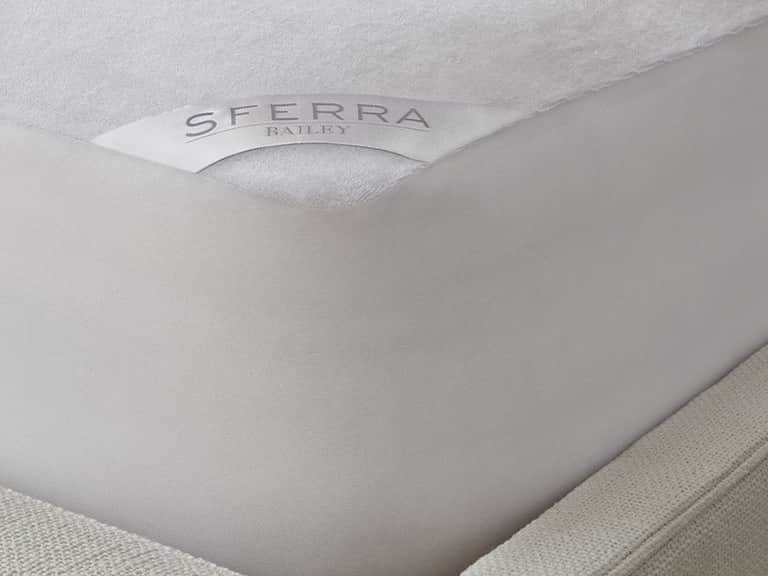
- Care and protection: Review cover-care instructions and whether a protector is recommended. A cover that cannot be machine washed may require different upkeep.
- Trial and exchange terms: Read the return window, layer-exchange rules, delivery details, and any costs before purchase.
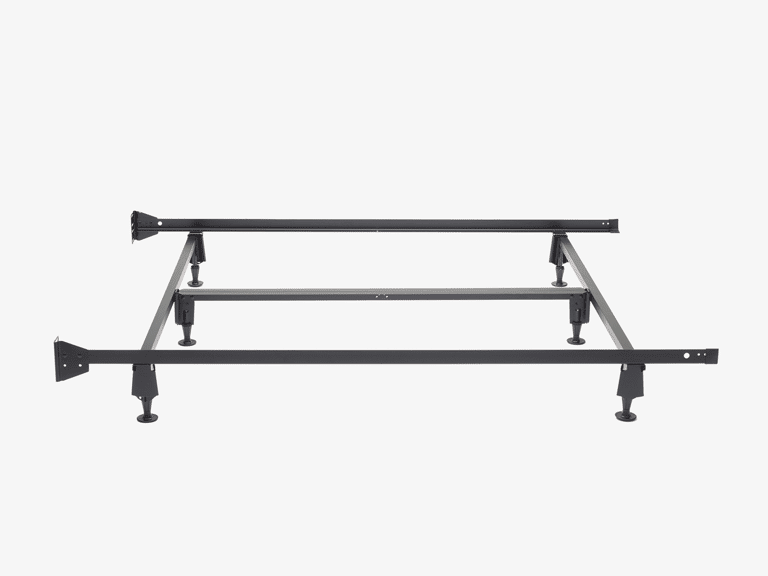
- Foundation compatibility: Confirm that your bed base provides the support and spacing required by the mattress maker.
Keep your priorities in order. Someone seeking a buoyant feel may care most about responsiveness and firmness options. Someone focused on sourcing may prioritize verifiable material details. A shopper comparing long-term value may look closely at warranty exclusions, repair or exchange policies, and expected maintenance. The best comparison is the one that reflects your own needs rather than a checklist designed to impress.
Testing latex in person—and at home
If you can test a mattress, give yourself more than a quick sit on the edge. Lie down in your normal sleep position and stay there long enough to notice whether pressure builds at the shoulder, hip, or lower back. Then change positions. Does the surface respond comfortably, or does it feel too buoyant, too firm, or too soft for your preference?
Pay attention to the bed as a complete system. A mattress’s feel can shift with the foundation, protector, sheets, and other layers. A thick topper may alter the surface enough to change pressure relief and responsiveness. If you are comparing models, try to keep the test conditions as similar as possible and take brief notes after each one.
When in-store testing is not available, read the at-home trial terms carefully. Check when the trial begins, whether there is a required break-in period, what happens if you want a different firmness, and whether collection or exchange costs apply. A generous-sounding policy can still have important conditions.
Common myths worth setting aside
“Natural means pure.” Not necessarily. A mattress can contain natural latex alongside other materials, and the word “natural” alone does not disclose proportions. Look for an itemized construction description.
“Firmness tells me how supportive a bed will be.” Firmness and support are related to the overall experience, but they are not interchangeable. A surface can feel firm yet still be uncomfortable for someone whose pressure points need more cushioning.
“More certifications always mean a better mattress.” A larger collection of seals is not automatically more informative. What matters is whether each claim is verifiable and relevant to the material or concern you care about.
“Dunlop or Talalay tells me which one to buy.” These process names are useful context, but neither is a universal shortcut to comfort or quality. Construction, firmness, and personal preference remain central.
The bottom line
Natural latex can offer a distinctive combination of contouring and quick, buoyant response. Whether that feel is right for you depends on the complete mattress design: the latex formulation, layer thickness, firmness choices, cover, and support beneath it. Sourcing and certification questions require the same careful attention. Broad labels can introduce a product, but detailed specifications and verifiable documentation tell you more.
Take time to compare construction rather than shopping by a single adjective. Test the feel where possible, check the fit with your sleep position and foundation, and read care, trial, and exchange terms before deciding. A well-informed choice is less about finding the most impressive label and more about finding a mattress whose materials, comfort, and policies make sense for the way you sleep.
Frequently asked questions
Is natural latex always firm?
No. Latex mattresses can be made in different firmness levels. The final feel depends on the latex formulation, layer thickness, and the mattress’s complete construction.
Does resilient mean the mattress will feel hard?
No. Resilience describes how a material responds and recovers after pressure. Firmness describes how hard or soft the surface feels. A responsive latex layer can still have a softer feel.
What should a latex certification tell me?
It should identify a program and clarify what is covered. Check whether the certification applies to the latex, another component, the finished product, or a facility, and verify the claim with the issuing organization when possible.
Can I choose a latex mattress by process name alone?
It is better not to. Dunlop and Talalay describe manufacturing processes, but the mattress’s firmness, layer arrangement, materials, and your personal comfort preferences are also essential considerations.