Latex bedding uses resilient natural or synthetic rubber foam to provide responsive support and a gently buoyant feel. In pillows and mattresses, latex can adapt to pressure while retaining its shape between uses. Understanding material composition, firmness, and construction helps people compare latex products with other bedding options.
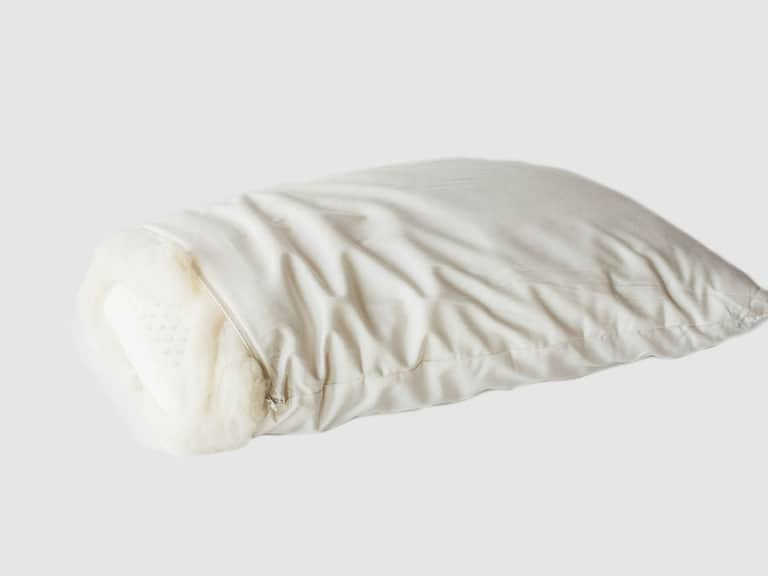
The Latex & Wool Pillow combines latex support with wool’s natural cushioning and temperature-managing qualities. Its materials create a balance of springiness and softness for head and neck support. Pillow comfort depends on loft, sleeping position, and personal preference, so these characteristics are useful when assessing bedding for everyday rest.
The Natural Wool-Wrapped Latex Bed Pillow features a latex core surrounded by wool, bringing together a resilient center and a soft outer layer. Wool can help manage moisture and warmth, while latex provides supportive, responsive cushioning. These functional qualities may suit people seeking a pillow with distinct materials and a structured feel.
Latex pillows are a separate bedding category from organic mattresses and organic crib mattresses, though all may be considered when evaluating sleep materials. Product labels can clarify whether latex is natural, blended, or synthetic and whether other components are certified. These details help distinguish material composition, construction, and suitability for different sleep settings.
When comparing latex bedding, consider pillow dimensions, loft, firmness, cover materials, and care instructions. Sheets should fit the mattress depth and remain compatible with its surface, while pillow covers can help protect pillows from routine wear. Reviewing these practical details supports informed choices across bedding, pillows, sheets, and latex sleep products.
 Bedding